

Sunday, September 7, 2014
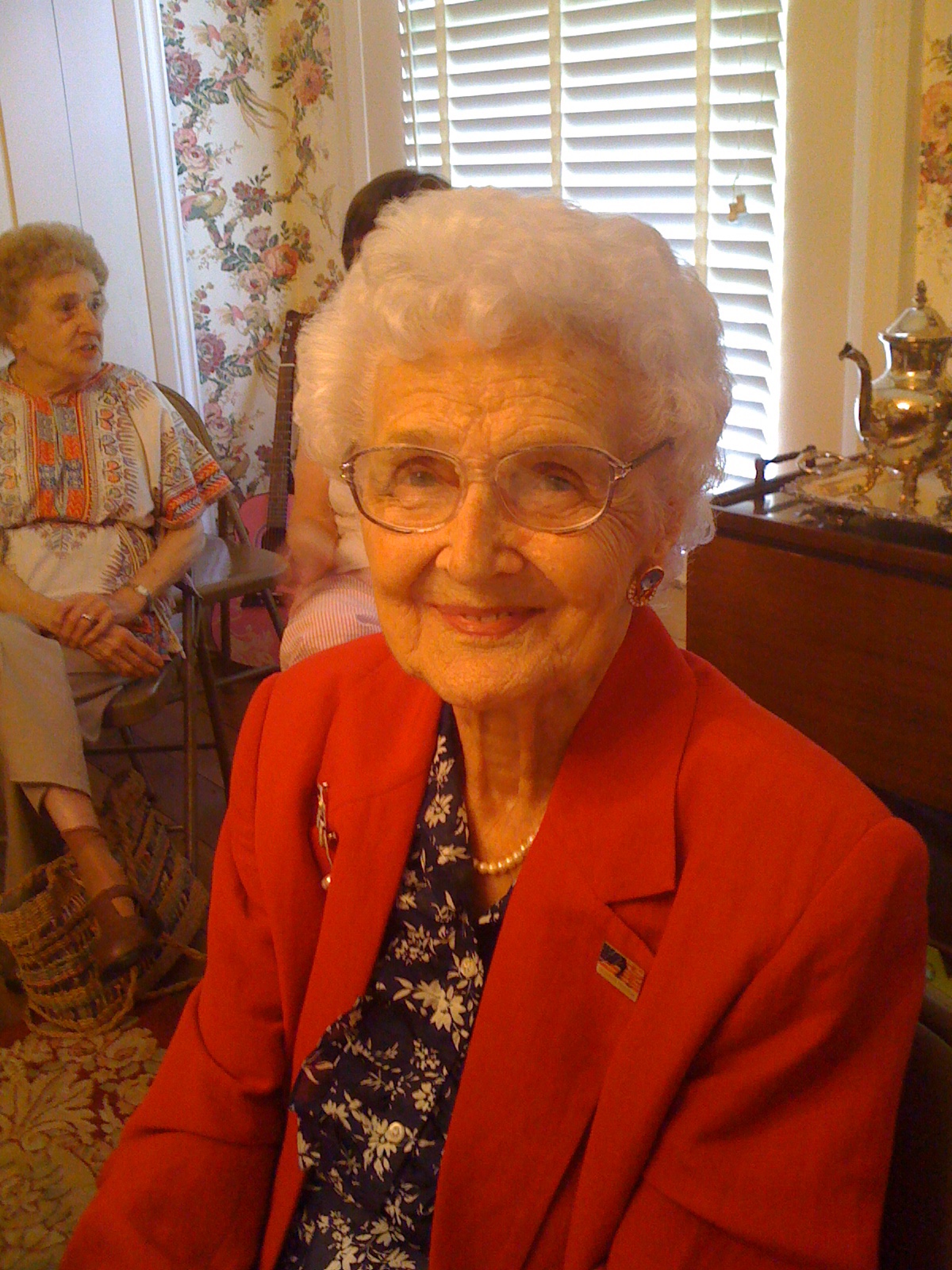
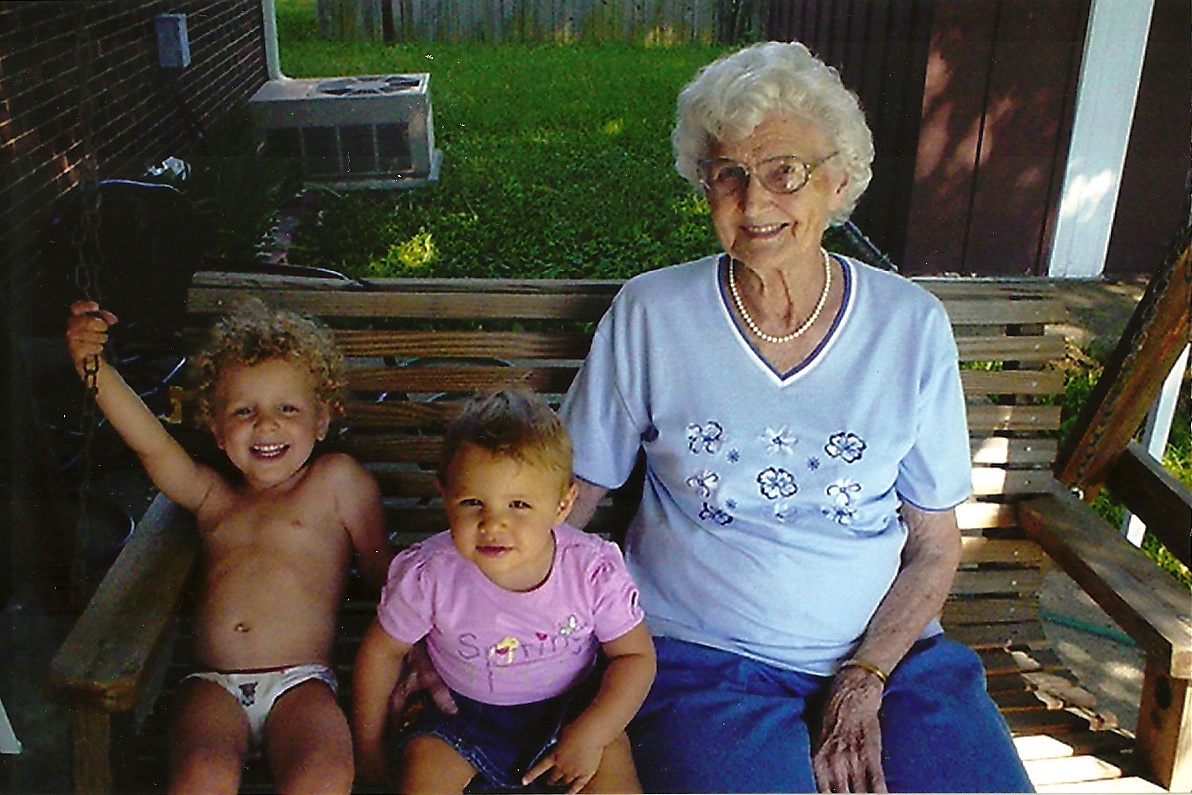
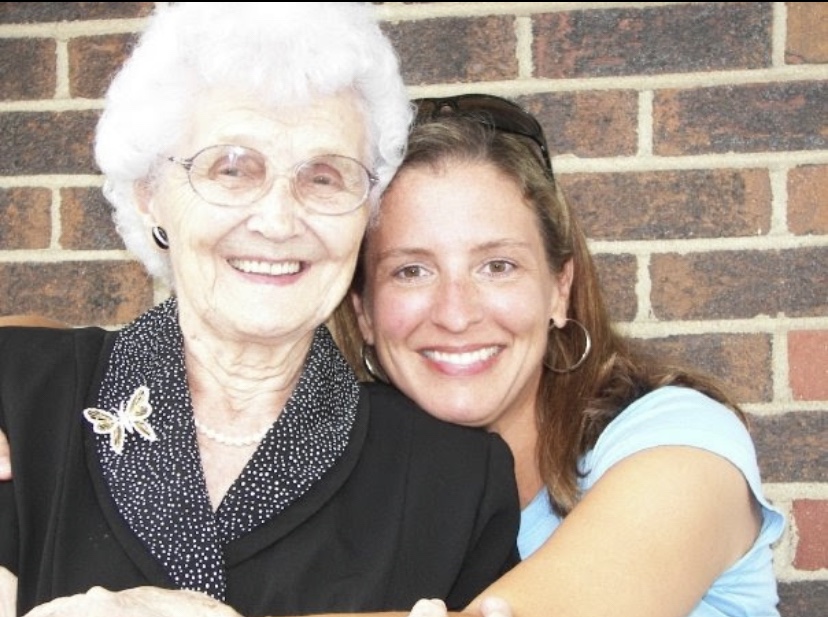
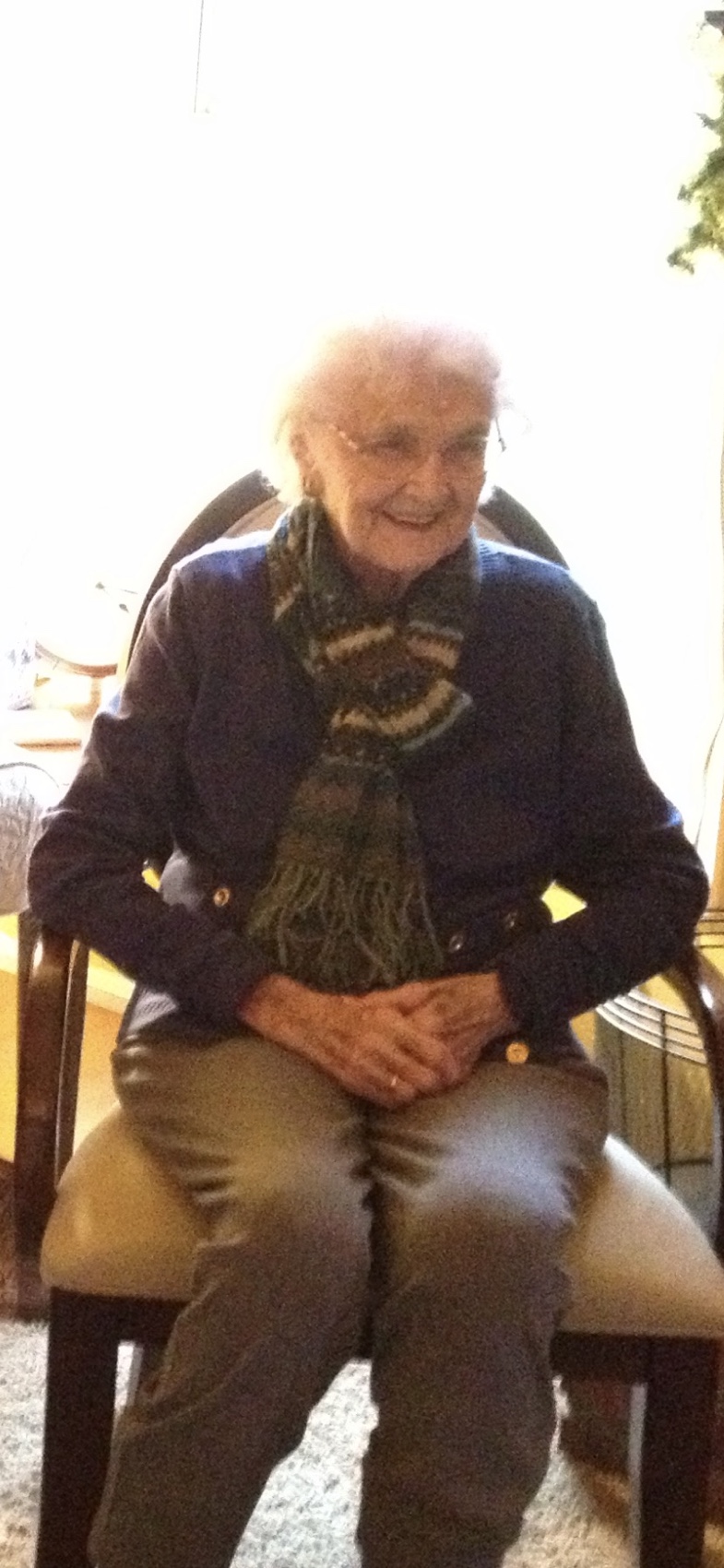
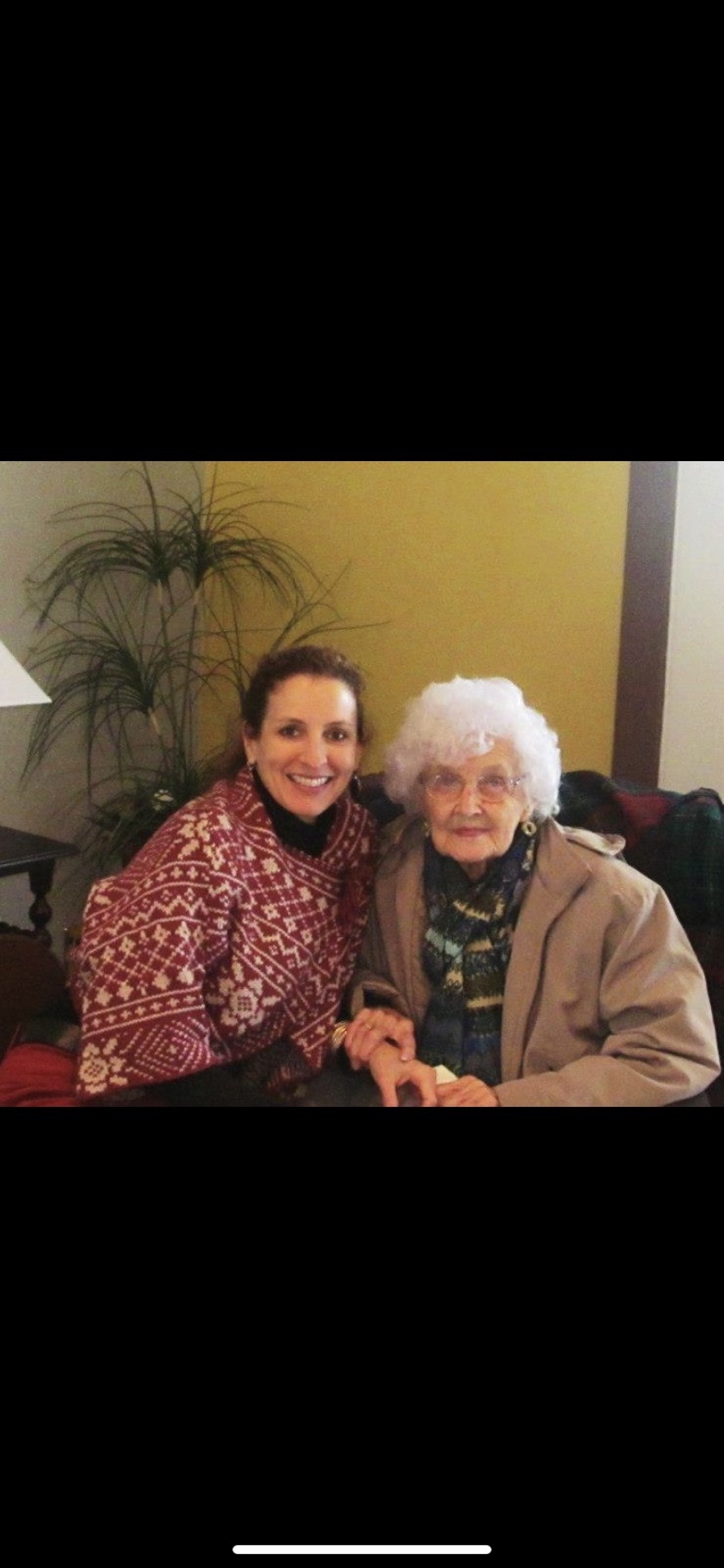
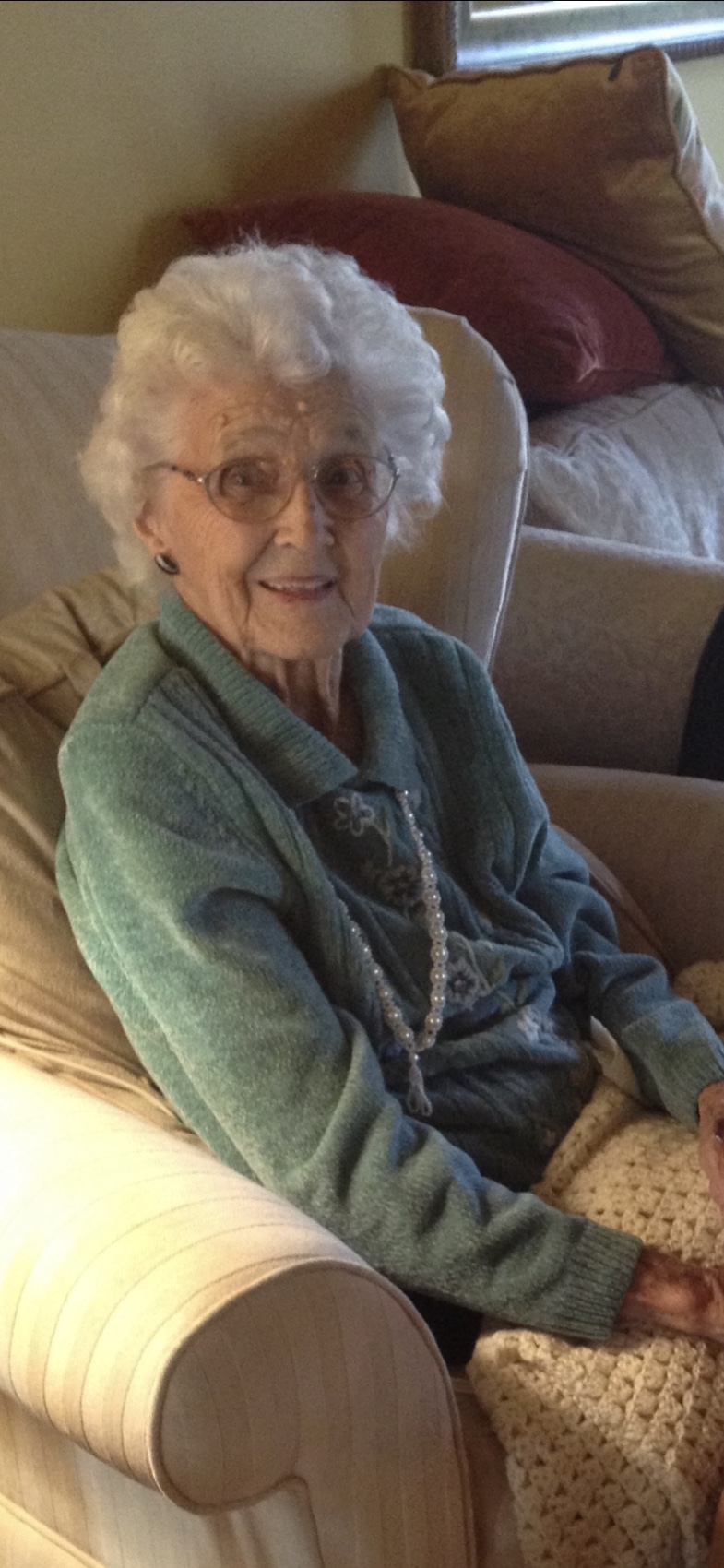
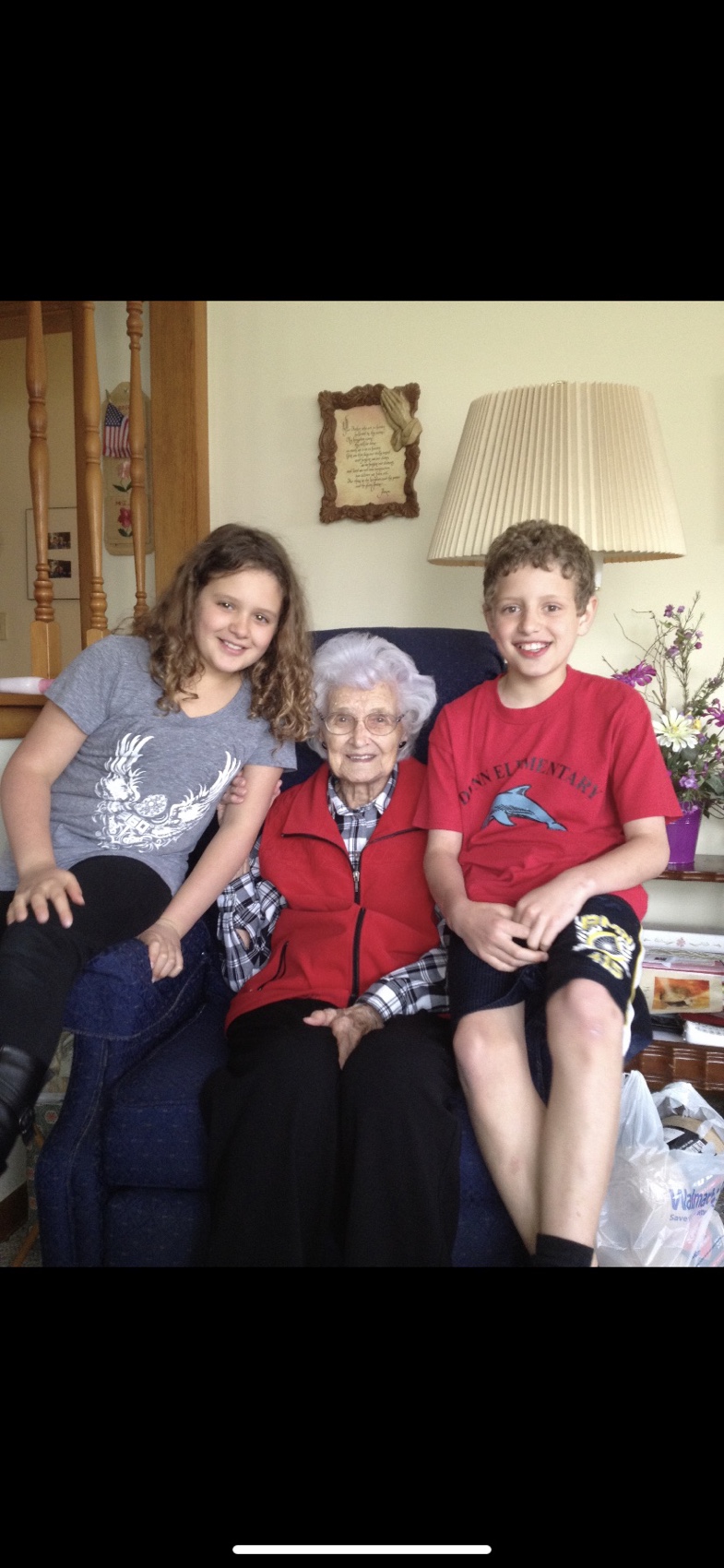
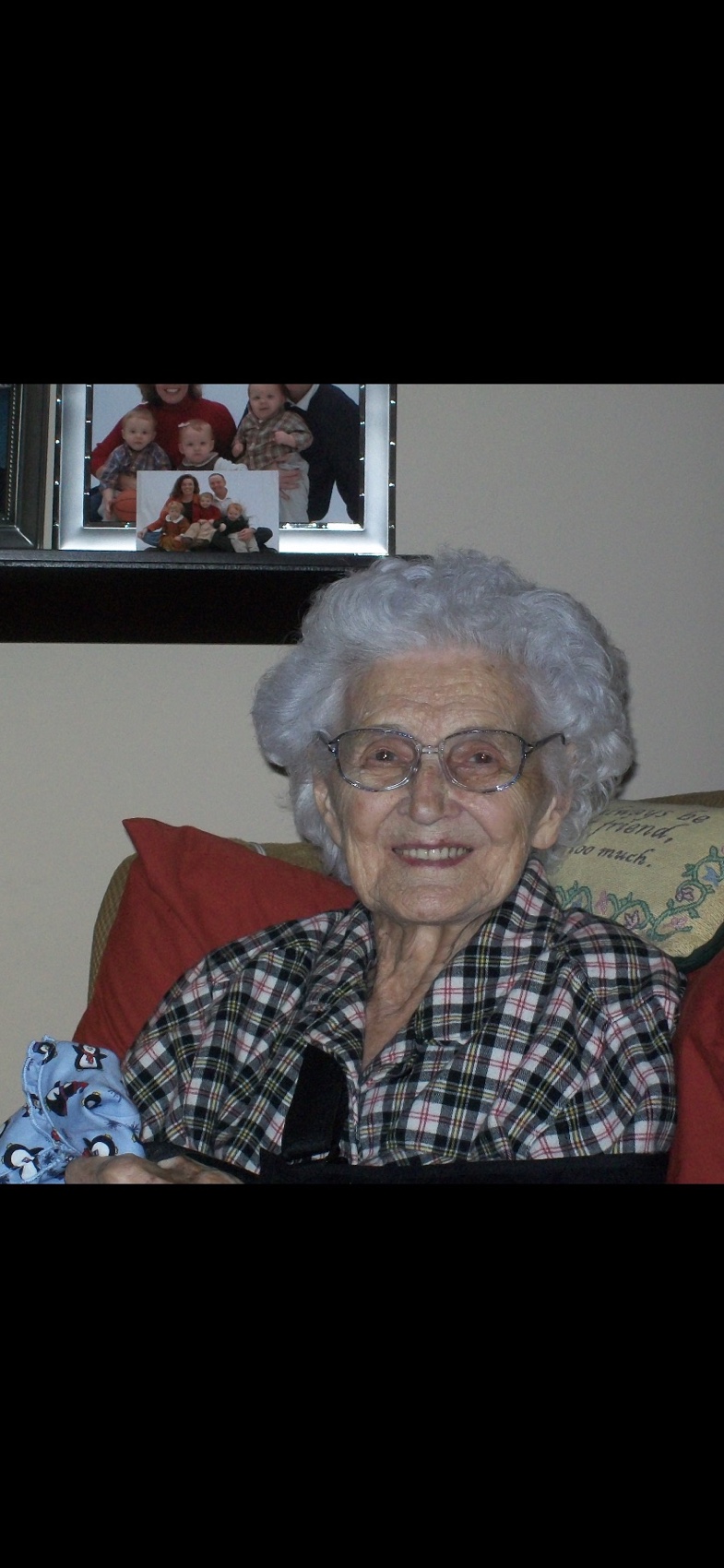
I’ve had many thoughts and phrases, quotes in her own voice floating around in my head these past few days. Cutters’ heart stopped beating Thursday morning. She was at Hosparus, Norton downtown Louisville, having been moved there from my parents’ home the night before due to congestive heart failure. Our family has been together for the funeral and the obituary has been published. Funerals bring families together but Cutters had such a way of doing that in all her living glory.
Her home was a hub of activity. As a guest, you were always offered a glass of sweet iced tea, something good to eat that was usually from the garden. The tea, freshly made that morning and filled to the rim of a signature orange Tupperware pitcher with the matching lid. This was always perched in the same top-shelf position of her pristinely maintained refrigerator. Cutters’ cooking, specifically corn, green beans and homemade bread (more on this later) are the stuff of legend.
Holidays were special and the extended family all looked forward to the tradition of gathering at Cutters’ home to eat dinner and exchange gifts. As our group size grew, we instituted a one-gift, even-exchange policy but Cutters was always exempt from this rule. Each year she had a stack of colorful boxes and she was known to take her time, as if savoring the suspense, when opening each one. She had a quiet meticulousness about her – whether using a letter opener to separate the tape from the wrapping on a gift or how she would keep her Tupperware and cabinets so organized. Her home was a reliable map for mindful intention – everything in its place throughout all the years I visited.
She took this quality philosophy with her on her travels. You could tell Cutters had been in your home for a visit – your pantry became organized, there was a pitcher of sweet tea in the refrigerator and your mayonnaise jar was wiped clean by approximately one finger’s length from the rim all around the circumference. That was a signature move. Wiping jars clean and a metaphor for how she left everything better in her wake. She created with lovely hands ever in motion.
I learned so much about life from Cutters but less from her words and more from how she lived her life. As St. Francis said “Preach the Gospel each day and, when necessary, use words.” She epitomized this. Her pastor spoke that “Violet lived the fruits of The Spirit.” As he read each one, the layers of her were confirmed – Love, Joy, Peace, Patience, Kindness, Goodness, Faithfulness, Gentleness, Self-control.
How did she do it? How did she live to be more than 100 years, as she did? It was only the past year that she appeared challenged by her age. My granddaddy died in 1977 and she survived him all these years living on her own. In her late 90s, she rebounded from two falls that resulted in broken bones and long recovery. She was widowed for 37 years, retired from working 40 years ago and only needed palliative care in her final year of living. I think of the chapters of her life and how I was blessed to be part of the final chapters, especially. Caring for Cutters had a profound effect on my soul. It was a holy experience.
She was born in 1913 – a year after the Titanic sank, for a point of reference. I did not know the young girl who lived to see World War I, the Great Depression, Hitler, World War II, the Korean & Vietnam wars, and modern day conflicts. A farmer’s wife’s life is a harsh one in even the best of circumstances and yet, how did she do it? As my cousin Richard noted in his eulogy, life expectancy for a female born in 1913 was around 55 years. And, as he so beautifully stated, “she did it so well she got to do it twice.”
Cutters was one of five children born to Manfred Fayne and Daisy Easley in Jessamine Co, KY. She had a sister, Hazel, and three brothers – Ralph, Ray, and Bill. Cutters and Granddaddy met at their church, Wesley Chapel United Methodist, where she remained a member all her life. In fact, she was born in the house next door to the church on Sugar Creek Pike. They attended different schools but their families knew each other from Wesley Chapel. He was a farmer but later in life, when I knew him, he was a man of many keys as a security guard or something. He would sit with me at the kitchen table and the keys hanging off the ring seemed to always be in motion. I remember playing with them. I was in 4th grade when he died. Our family was living in Pittsburgh, PA and I remember the sting of the late night intrusion by the overhead light as mom woke us to pack up for the sudden trip home. I probably didn’t understand or know why but I am sure I knew it wasn’t good. I can’t remember but imagine it was a longer than usual drive back to Kentucky.
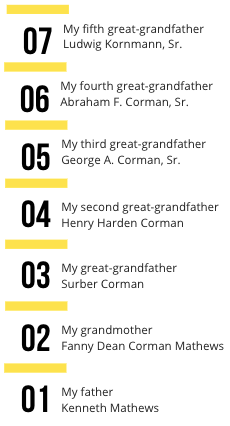
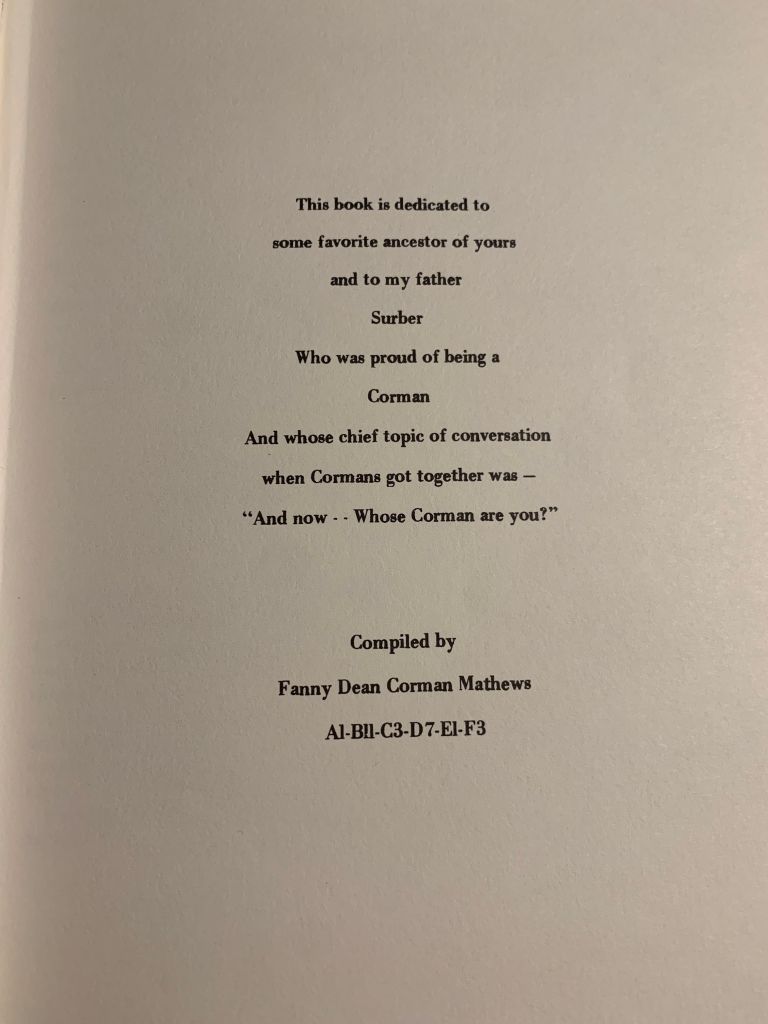
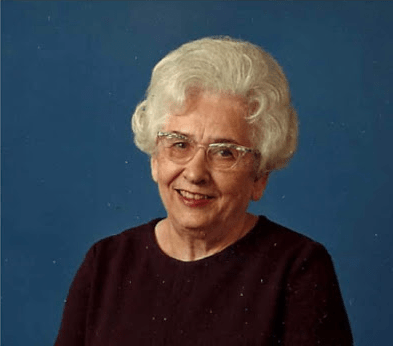
Full circle, here we were back at Hager & Cundiff Funeral Home. Granddaddy’s service was held there in 1977, very soon after my grandmother Fanny Dean Corman Mathews’ funeral, my dad’s mother. That was a hard year for my parents who each lost a parent. Mom didn’t want to move very far from Cutters and Louisville was about as far as she was comfortable. So, Pennsylvania was a stretch of one year that was hard for all of us. My own 4th grade tribulations of that year can be addressed later.
Cutters made this life better for all who knew her, and possibly for those who didn’t have the opportunity. Though her heart stopped, her loving legacy lives on in ways both small and magnanimous. Cutters inspires me to live more as she did.


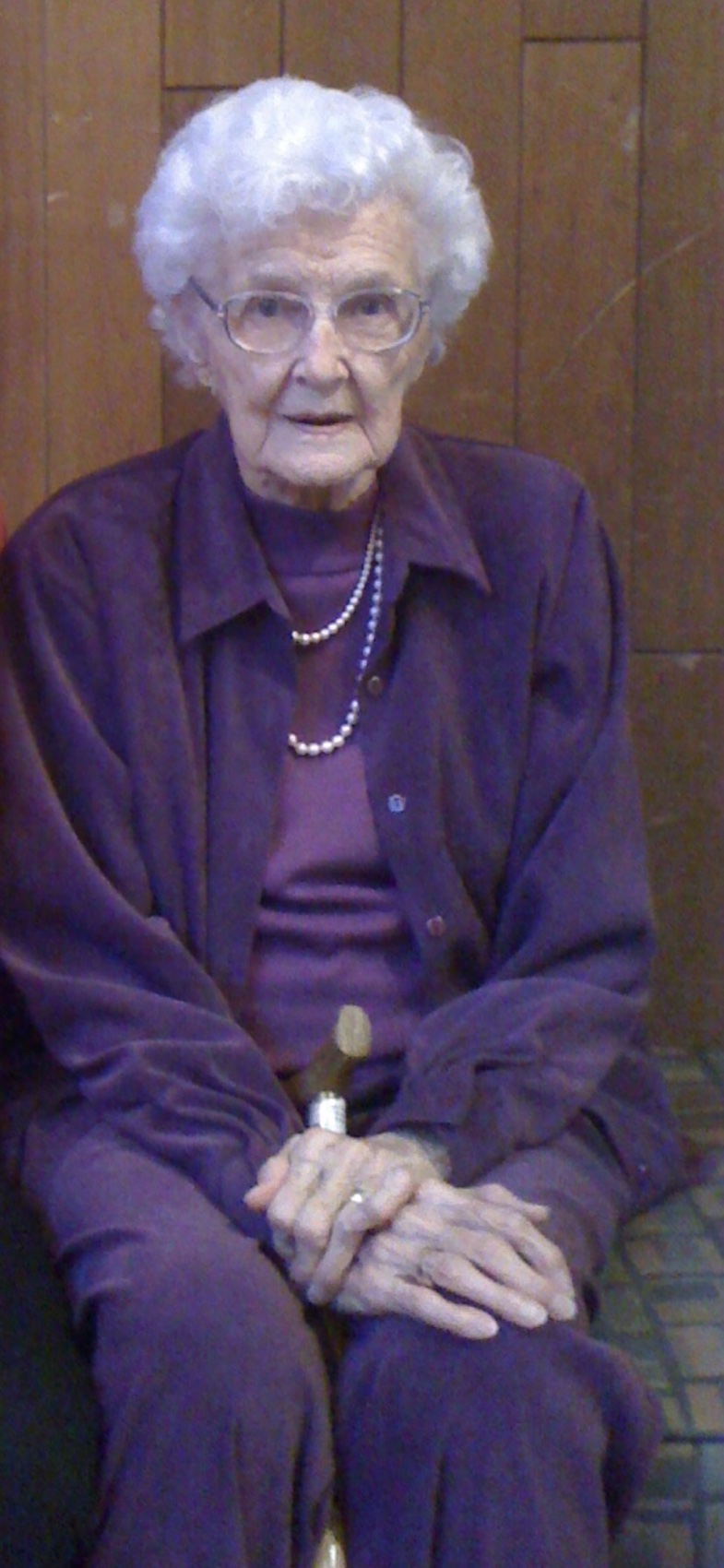
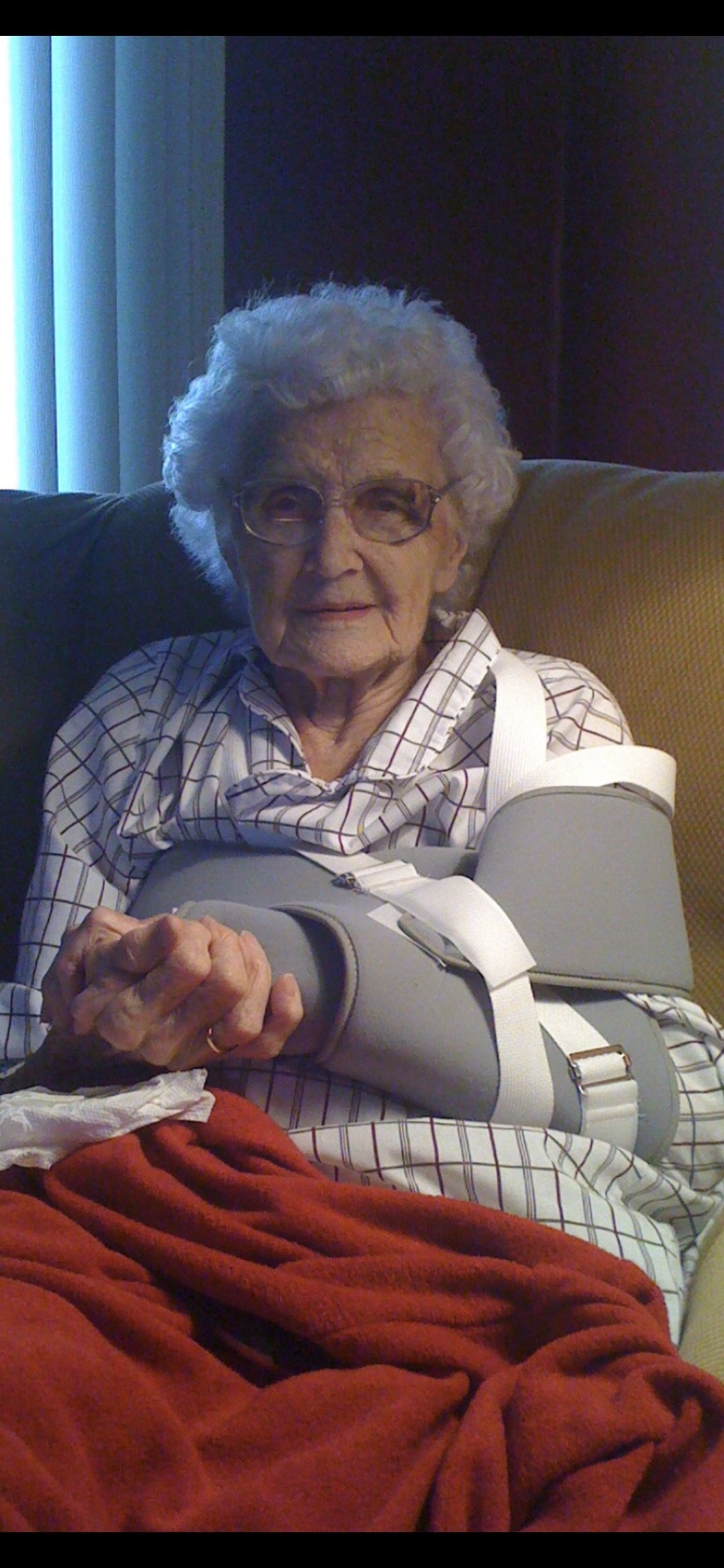

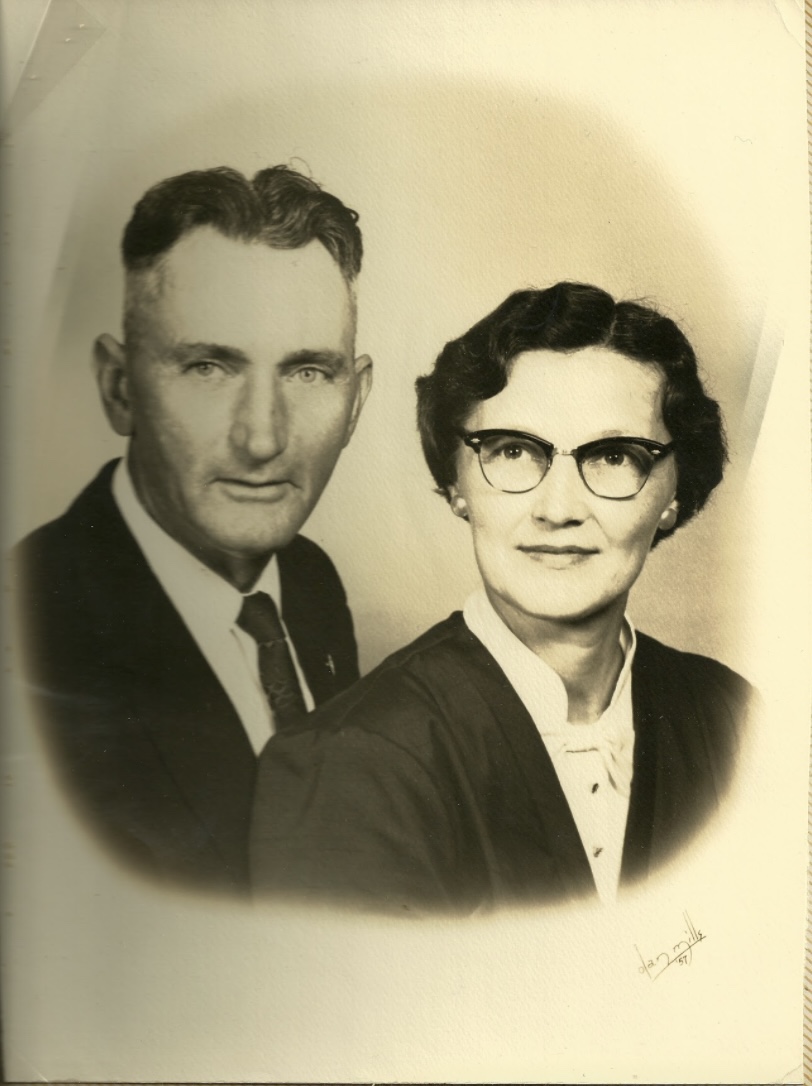
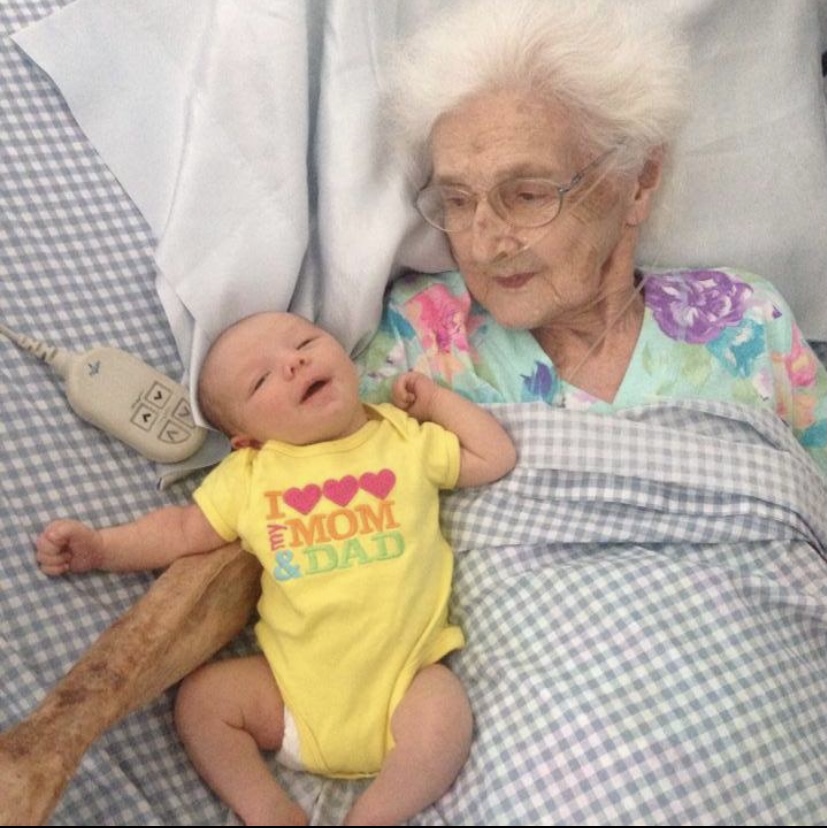

 that Kentucky girl